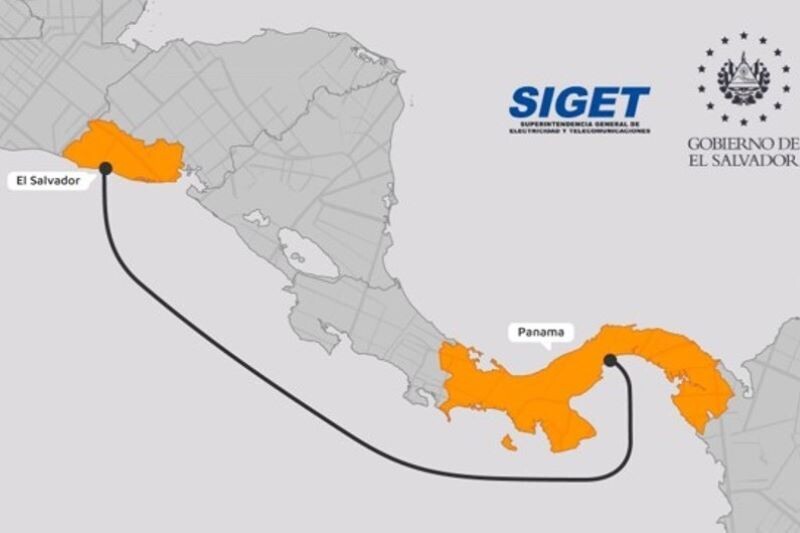
Liberty Networks will build El Salvador's first submarine cable. This infrastructure is positioned as the fundamental pillar for the future of the digital economy and the competitiveness of El Salvador in the Latin American region. Currently, the country manages its data traffic exclusively through land links with neighboring nations, lacking its own submarine infrastructure. The implementation of this submarine network seeks to transform this landscape, offering greater reliability and optimized access for the 6.3 million inhabitants of Salvadoran territory. Ray Collins, Senior Vice President of Infrastructure and Corporate Strategy at Liberty Latin America, expressed the organization's pride at being chosen for this historic initiative. He also highlighted that Liberty Networks' track record in managing complex submarine systems will guarantee the success of the deployment and the long-term operational performance of this critical infrastructure. The Salvadoran regulatory entity and the corporate connectivity provider have projected that the new submarine system will begin operations during the second half of 2028. This digital infrastructure project marks a milestone for the Central American nation by establishing its first direct international submarine connection, with the aim of strengthening the capacity and resilience of high-speed internet service. The system will have an extension of approximately 1,800 kilometers, which will link El Salvador with the main international connectivity centers. SIGET selects Liberty Networks for the deployment of El Salvador's submarine cable. The new 1,800-kilometer system will directly connect El Salvador with international centers, eliminating the exclusive dependence on land links and benefiting more than 6 million citizens. According to information provided by Liberty Networks, the technology partner that will accompany the project's execution will be announced soon.